


Background
01
Addressing High
Unmet Medical Needs
in Solid Tumors
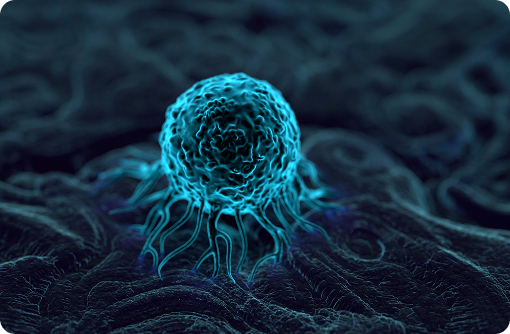
- Limited treatment response to conventional therapies, including chemotherapy, targeted agents, and immune checkpoint inhibitors
- Structural hurdles such as recurrence, metastasis, and immune evasion
- Increasing demand for novel therapeutic paradigms

02
Rise of Immune Cell Gene Therapies and Technical Challenges
- CAR-T, TCR-T, and TIL therapies are driving global R&D as next-generation modalities
- Proven success in hematologic malignancies, yet limited efficacy in solid tumors
- Complex hurdles remain, including the tumor microenvironment (TME), immunosuppression, and poor tumor infiltration
03
Structural Gaps in Korea's Technology, Clinical,
and Manufacturing Infrastructure
- Limited domestic capabilities in foundational technologies
- Insufficient clinical-grade CMC and quality control infrastructure
- Fragmented pipeline connecting research, manufacturing, and clinical applications
- Suboptimal multi-institutional collaboration slowing development timelines

04
Need for a Full-Stage Integrated Development Platform
- Successful clinical translation requires a seamless pathway connecting basic research, preclinical development, manufacturing, clinical application, and regulatory alignment.
- A national platform is essential to simultaneously establish regulatory, manufacturing, and clinical infrastructure.

05
National Initiative for
Full-Stage Development of Immune Cell Gene Therapy
- Bridging gaps across technology, clinical applications, and regulatory systems
- Driving government-led development of solid tumor-targeted immune cell therapies
- Securing global competitiveness in next-generation therapeutics